Why do ISO and BSCI certifications matter for your bag supply chain?
For many U.S. buyers, third-party compliance is now a must. It keeps budgets, timelines, and brand trust safe in a reliable luggage supply chain.
Shoppers look for both looks and function. But they also want to know how products are made. This change is making teams ask for ethically made bags with solid proof, not just promises.
ISO is a set of international standards for products and services. In bag making, ISO 9001 shows a quality management system. It's based on documented processes, records, and steps to fix problems.
ISO 14001 also covers environmental management. This lets a factory track its impacts and get better over time. These standards make it easier to check quality and responsibility when you need a long-term partner.

BSCI is another important tool. It helps teams look beyond just price, lead time, and sample quality.
Knowing about compliance is key. Non-compliance can cause delays, fines, damage to reputation, and legal issues. Certifications help set clear expectations and provide a clear trail when questions arise.
This article is about OPACK, started in 1994. With 30 years of bag engineering, OPACK is a trusted wholesale bag supplier. They apply these standards in a 12,500-square-meter facility. They support OPACK ISO and BSCI certified bags, like customized laptop backpacks and special pouches.
Why quality certifications have become a baseline requirement in bag sourcing
In U.S. bag sourcing, quality certifications are now essential. Buyers look at design, price, and how a factory proves its social responsibility. Suppliers who show these systems clearly make the process smoother and faster.
Many teams use certifications to tell a clear story about their ethical supply chain. It's about showing how decisions are made and recorded. This transparency helps avoid disputes when businesses grow quickly.

Consumer expectations: quality, ethics, and transparency behind every bag
Consumers often look beyond the logo to what the product stands for. They want proof of responsible manufacturing, not just promises. This pressure affects how brands choose vendors and monitor them.
Certifications are important in retail and B2B. They show a commitment to quality, ethics, and sustainability. When claims are verifiable, customer service issues and chargebacks decrease.
How certifications reflect real factory operations from material selection to final inspection
Good certifications show how work is done, from material selection to final inspection. A standardized process clarifies what gets checked and who signs off. It also sets rules for handling non-conforming goods.
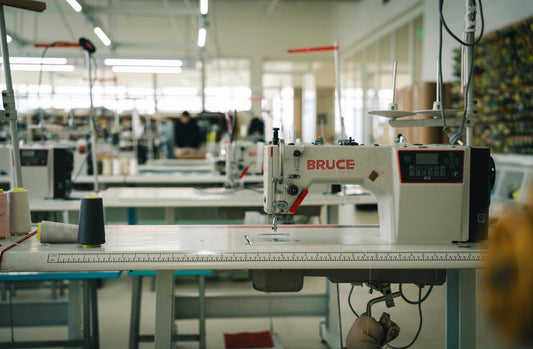
Quality control on the line is where paperwork meets reality. Clear checkpoints, calibrated tools, and traceable records protect lead times and margins. For sourcing teams, seeing how work is done is more valuable than a polished factory tour.
Why “checkbox compliance” creates sourcing risk in high-volume, tight-deadline programs
Problems arise when compliance is just a file. If a certificate doesn't match daily practice, defects, rework, and late shipments can occur. In high-volume launches, even a small mistake can be costly.
Certified suppliers invest in systems that support social responsibility and stable execution. For buyers, this means fewer surprises, smoother communication, and less firefighting. It also supports an ethical supply chain that passes audits and meets standards.
- Process discipline that reduces rework and avoids last-minute inspection failures
- Clear escalation for defects, substitutions, and blocked lots
- Documented controls that support responsible manufacturing at scale
ISO standards in bag manufacturing: ISO 9001 and ISO 14001 quality management
ISO stands for the International Organization for Standardization. In bag making, ISO certification means a factory follows strict quality and environmental rules. For U.S. teams, ISO 9001 and ISO14001 quality management make production predictable.

ISO 9001 and consistent quality control through documented processes and records
ISO 9001 focuses on how work is done, tracked, and improved. It uses documented steps and records for repeatable results. This ensures quality from start to finish.
In practice, a strong system includes:
- Defined checkpoints for cutting, stitching, and assembly
- Lot tracking tied to inspection results and rework logs
- Clear acceptance criteria that teams can follow without guesswork
When checking an OPACK ISO certified luggage manufacturer, those records are key. They show if problems are fixed at the source, not just covered up.
ISO 14001 and environmental management for responsible manufacturing
ISO 14001 deals with environmental management, including identifying impacts and setting controls. It helps buyers meet retail or brand standards for responsible manufacturing. It also gives eco-conscious customers a reason to trust a product’s history.
Many programs focus on practical controls like waste handling, resource use, and compliance routines. This consistency reduces surprises that slow production or disrupt shipments.
How a standardized production process reduces defects and stabilizes lead times
A standardized production process cuts down on variation, a common cause of defects. When each step is defined and measured, teams can catch and fix issues early. This makes planning easier for custom bag programs.
For U.S. importers, the benefits are clear: less rework, fewer last-minute holds, and steady delivery. Combining this with consistent quality control keeps lead times stable, even with changing styles or volumes.
What BSCI audits evaluate in a BSCI compliant bag factory
In bag sourcing, labor details are as important as materials. A BSCI compliant bag factory undergoes audits that examine daily working conditions, not just paperwork. This is key for U.S. buyers who value social responsibility and clear supply chain transparency, even when time is tight.
BSCI stands for Business Social Compliance Initiative. It's a framework, not a permanent certificate. It aligns with the International Labour Organization and the United Nations Global Compact, keeping ethical supply chains in focus.
Audit results are checked by independent third-party social audits. These include on-site inspections, worker interviews, and document checks. This mix ensures a worker welfare system is real, not just in policy.
Audit scope: workers’ rights, fair treatment, working hours, wages, and occupational health and safety
BSCI audits start with management controls, as systems shape outcomes. Auditors check policies, responsibilities, monitoring, corrective actions, and tracking. These steps support social responsibility and can be checked over time.
- Workers’ rights and fair treatment: no forced labor or child labor, non-discrimination, freedom of association, clear contracts, and protection from harassment or abuse.
- Working hours and wages: minimum wage compliance, accurate and on-time pay, voluntary overtime, overtime premiums, and clean timekeeping and payroll records.
- Occupational health and safety: maintained machinery, open emergency exits, fire safety systems, PPE use, risk assessments, and training.
- Environmental protection: chemical storage and labeling, hazardous waste controls, emissions and wastewater monitoring, plus water and energy efficiency steps.
- Ethical business practices: anti-corruption and anti-bribery controls, transparent recordkeeping, and no fraud.
This is critical in bag production because many steps are hands-on. Demand spikes can pressure teams. The audit evidence verifies realistic capacity planning, overtime records, and correct overtime pay without weakening supply chain transparency.
Supply chain responsibility and the “cascade effect” to prevent unauthorized outsourcing
BSCI also tests supply chain responsibility through the “cascade effect.” A factory is expected to identify and declare subcontractors, monitor external partners, and keep traceability. These controls reduce the risk of unauthorized outsourcing, protecting an ethical supply chain when orders move fast.
For buyers, the practical value is clear: more visibility into where work happens and who does it. This supports supply chain transparency and reinforces a worker welfare system across the wider network.
How ISO and BSCI reduce operational risk in a reliable luggage supply chain
For U.S. buyers, a reliable luggage supply chain relies on daily factory floor actions, not just PDFs. ISO-style systems focus on repeatable steps, clean records, and clear handoffs. This makes it easier to maintain quality control, even when deadlines are tight.
Following ISO processes in real time helps teams catch problems early. This prevents rework, chargebacks, and missed deadlines. It also improves lead time management by reducing delays in cutting, sewing, and inspection.
BSCI audits offer another layer of protection by revealing compliance gaps early. Issues like excessive overtime, incomplete records, or weak safety controls may not stop production now. But they can lead to turnover, shutdowns, or buyer escalation later, threatening timely global delivery.
Audit results are most useful when buyers use them for planning, not just as a badge. A practical response can include:
- Corrective action plans with deadlines and follow-up checks
- Order allocation shifts to reduce exposure while fixes are verified
- Added monitoring on overtime, subcontracting, and safety training
Retailer approval rules also add pressure. Many international retailers require social audits before onboarding suppliers. Gaps can slow approvals or force last-minute production moves, adding risk and making forecasting harder.
To keep programs stable, buyers look beyond the certificate. They check how factories handle in-process checks, non-conforming goods, and change control. When these habits match the paperwork, quality control holds up under volume. This supports realistic lead time management, protecting timely global delivery without costly surprises.
OPACK: Your ISO and BSCI Compliant Manufacturing Partner
Choosing a Reliable wholesale bag supplier is easier when audits match what happens on the floor. With OPACK, ISO and BSCI expectations connect daily work steps. This includes material checks to final inspection, so buyers can plan with fewer surprises.

OPACK background: founded in 1994 with three decades of specialized bag engineering and professional R&d excellence
Founded in 1994, OPACK is a high-tech enterprise focused on bag engineering and long-term manufacturing practice. This history supports professional r&d excellence aimed at building innovative luggage and specialized bags for global partners.
For teams developing laptop backpacks and compact pouches from durable laptop backpacks and specialized clinical instrument pouches to customized medical-grade storage solutions. Clear specs, repeatable builds, and careful construction tied to OPACK premium luggage craft.
Large-scale production facility: 12,500-square-meter scalable bag manufacturing for timely global delivery
OPACK runs a 12,500-square-meter large-scale production facility built for scalable bag manufacturing. The layout supports steady output and smoother scheduling when programs ramp up or product mixes change.
For U.S. buyers managing seasonal demand, scalable bag manufacturing helps keep lead times stable. This meets timely global delivery goals.
OPACK quality-assured bag production supported by consistent quality control and meticulous assembly
As an OPACK ISO and BSCI compliant bag factory, OPACK aligns quality-assured production with ISO 9001 habits. This includes documented process control, records, and consistent checkpoints. This structure helps reduce defects, improve efficiency, and limit avoidable delays.
- Material selection checks that inputs match agreed requirements before cutting starts.
- In-process controls verify stitching, reinforcement, and fit at key build stages for meticulous assembly.
- Final inspection confirms finish, function, and packing consistency for shipment readiness.
How certifications support durable laptop backpack manufacturing and performance-driven bag design
Certifications make factories write down how they work and prove they follow it. This is key for making durable laptop backpacks because small changes can affect how well they protect. For U.S. buyers, it also means they can hold factories accountable if things don't meet expectations.
Why process control matters for shockproof laptop sleeve builds and reinforced protection features
A shockproof laptop sleeve's strength comes from following the same steps over and over. Work instructions help teams put padding in the right place and align panels correctly. This way, the reinforced corners and base panels are consistent, from the first to the last unit.
- Controlled workmanship prevents mistakes like skipped stitches and uneven binding.
- Repeatable checkpoints catch problems early, not after everything is made.
- Defined tolerances ensure a snug fit so devices stay in place.
Material consistency: high-grade nylon and poly fabric selection backed by standardized production process controls
Good materials are just the start. High-grade nylon and poly fabric need to meet certain standards for weight, coating, and durability. With strict controls, the fabric used in customized laptop backpacks stays the same, no matter the order size.
This also helps keep the lining, foam density, webbing stretch, and zipper feel consistent. Verifying materials before cutting reduces mistakes and avoids last-minute surprises that can delay delivery.
Engineering-to-inspection linkage: specialized bag engineering with verification at key production checkpoints
Specialized bag engineering works best when it's linked to inspections at key points. This way, teams check important features as the bag is being made. This approach leads to fewer mistakes and more consistent delivery times.
- Pre-production review to confirm patterns, seam allowances, and hardware placement.
- In-process checks on sleeve alignment, reinforcement stitching, and edge binding.
- Final inspection that confirms function, finish, and pack-out accuracy for customized laptop backpack manufacturing.
This build-and-check rhythm makes a shockproof laptop sleeve more reliable, even when orders are large. It also ensures consistent use of high-grade materials and keeps specialized bag engineering aligned with what's measured on the factory floor.
Using BSCI audit practices to strengthen an ethical supply chain and worker welfare system
BSCI audit practices make sure buyers follow through on their promises. They aim for a supply chain that's ethical all the time, not just during audits. A good worker welfare system also helps keep production steady, even when things get busy.
BSCI uses third-party audits to check things in real life. Auditors do on-site checks, talk to workers, and look at documents to see what's happening. They then help make a plan to fix any problems found, and check on progress later.
Keeping things running smoothly every day is key. This means having clear rules based on the Code of Conduct, clear roles for everyone, and regular checks to make sure things are going right. When this works, workers can focus on their jobs, and managers can handle any issues that come up.
- Labor protections: no forced or child labor, anti-discrimination, freedom of association, clear contracts, and safeguards against harassment.
- Time and pay controls: controlled working hours, voluntary overtime, accurate timekeeping, and lawful overtime pay.
- occupational health and safety: machine maintenance, open emergency exits, fire equipment checks, PPE use, risk assessments, and safety training.
In bag production, overtime can be a big risk during busy times. BSCI helps buyers make sure they're following the law, keeping accurate records, and planning for capacity. This protects workers and helps keep delivery promises real. It also makes it easier for buyers and factories to share information, which is important in today's market.
What U.S. buyers should verify when choosing a long-term manufacturing partner
For U.S. teams, a good manufacturing partner should follow ISO and BSCI rules every day, not just keep them on a shelf. They should show how they check materials, inspect products, and do final checks before packing. It's also important to see how they handle changes in products.
Make sure the factory you choose is the same one that will make your bags. Don't let them surprise you with subcontractors. Check how long ago the audit was and what the score means. Ask for proof of plans to fix problems and how they keep improving.
ISO rules should be clear and followed every time. They should have records of every step, checks on products, and ways to handle problems. If you need your products fast, ask about their planning and how they avoid delays.
Doing these checks can protect your reputation and avoid legal trouble. If your products are for healthcare, make sure your supplier can handle medical-grade bags. OPACK follows ISO and BSCI standards in its big facility. They make sure products like laptop backpacks and special pouches are made well and consistently.